

Managing Diabetes Complications: Kidney Disease
Kidneys filter your blood through millions of blood vessels and then dispose of body waste in your urine. Diabetes can damage these small blood vessels, making it hard for the kidneys to filter your waste. As a result, diabetes is the leading cause of kidney failure. About 30% of people with type 1 diabetes and 10%–40% of those with type 2 diabetes will eventually have kidney disease, or nephropathy.1 Smoking, uncontrolled blood glucose, or high blood pressure, may increase your risk of kidney disease. Having a family member with kidney disease also increases the risk of developing kidney disease....
Read More
Simple tool to understand your results
The Accu-Chek® 360° Testing in Pairs Tool- a simple, 7-day paper tool See how the things you do affect your blood glucose Accu-Chek 360° Testing in Pairs is a simple tool that helps you track your blood glucose before and after a specific meal, exercise or other event. Use it when you want to focus on just one thing in your daily eating habits or routine. For just 7 days, see how the things you do affect your blood glucose and what works for you. Food/Drinks....
Read More
Tips for Making Testing Easier
Whether you check your blood glucose level once a week, once a day, or 6 times a day, learning how to make testing easy and less painful may inspire you to test more often. For people with diabetes, the knowledge that you gain from testing is the key to staying in control of your health. It helps you make informed decisions about medicine, food, and exercise. It helps you cope with the day-to-day demands of living with diabetes, you’ll feel better each day, and you’ll lower your risk for future diabetes complications.1 Here are some tips for getting the best results possible. A guide...
Read More
Insulin: A New Beginning
After living with diabetes for several years, you’ve just been prescribed an insulin treatment. You probably have many questions—perhaps even fears or misgivings. This is completely normal. In any event, here are three preconceived notions you can discard right now. 1. Transitioning to insulin means I managed my diabetes incorrectly. Wrong. Diabetes is a progressive disease. Despite all your efforts and good will, it may just be that your pancreas is no longer able to cope. 2. Insulin therapy is a last-resort treatment. Wrong....
Read More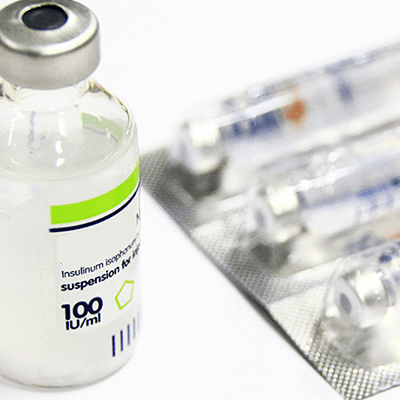
Insulin Injections: Breaking Down The Barrier
If insulin injections are part of your daily life, you know how essential they are to managing your diabetes and preventing complications. You also know that following your injection schedule is crucial. If your body doesn’t get enough insulin over the long term, you risk developing serious problems with your eyes, heart, nerves and kidneys. Getting too much insulin could lead to hypoglycemia—extreme cases of which can cause diabetic coma. Despite all this, according to a study conducted in the US, over half of people with insulin-dependent diabetes have deliberately skipped injections at some point. Around 20% do it...
Read More

Practice #GlucoVigilance during these times to be in range
Background: The current times are beyond anything we have ever experienced. During these unprecedented times, we all should put our health on priority and exercise caution. Even more so, if one has diabetes. People with uncontrolled diabetes are at a higher risk, due to lower immune response.1,2 WHO has raised an advisory and has suggested that patients with chronic ailments like cardiovascular diseases, diabetes, hypertension, chronic respiratory diseases and cancer are more prone to severe illnesses as compared to others during these times.3 Hence, it is extremely important for...
Read More
Managing Diabetes Complications: Foot Problems
Proper foot care is an important part of a person with diabetes’ daily routine. High blood glucose levels can damage the blood vessels that carry oxygen and nutrients to the legs and feet. This can lead to nerve damage, poor circulation, infections and foot deformities. Diabetes is often associated with foot problems and amputation. Not including those caused by accidents or trauma, more than 60% of lower-limb amputations performed each year are on people with diabetes. 1 What to Look For The Canadian Diabetes Association recommends that your feet be examined at least once a year—more often if...
Read More Managing Diabetes Complications: Kidney Disease
Kidneys filter your blood through millions of blood vessels and then dispose of body waste in your urine. Diabetes can damage these small blood vessels, making it hard for the kidneys to filter your waste. As a result, diabetes is the leading cause of kidney failure. About 30% of people with type 1 diabetes and 10%–40% of those with type 2 diabetes will eventually have kidney disease, or nephropathy.1 Smoking, uncontrolled blood glucose, or high blood pressure, may increase your risk of kidney disease. Having a family member with kidney disease also increases the risk of developing kidney disease....
Read MorePages
Simple tool to understand your results
The Accu-Chek® 360° Testing in Pairs Tool- a simple, 7-day paper tool See how the things you do affect your blood glucose Accu-Chek 360° Testing in Pairs is a simple tool that helps you track your blood glucose before and after a specific meal, exercise or other event. Use it when you want to focus on just one thing in your daily eating habits or routine. For just 7 days, see how the things you do affect your blood glucose and what works for you. Food/Drinks....
Read More Tips for Making Testing Easier
Whether you check your blood glucose level once a week, once a day, or 6 times a day, learning how to make testing easy and less painful may inspire you to test more often. For people with diabetes, the knowledge that you gain from testing is the key to staying in control of your health. It helps you make informed decisions about medicine, food, and exercise. It helps you cope with the day-to-day demands of living with diabetes, you’ll feel better each day, and you’ll lower your risk for future diabetes complications.1 Here are some tips for getting the best results possible. A guide...
Read More Insulin: A New Beginning
After living with diabetes for several years, you’ve just been prescribed an insulin treatment. You probably have many questions—perhaps even fears or misgivings. This is completely normal. In any event, here are three preconceived notions you can discard right now. 1. Transitioning to insulin means I managed my diabetes incorrectly. Wrong. Diabetes is a progressive disease. Despite all your efforts and good will, it may just be that your pancreas is no longer able to cope. 2. Insulin therapy is a last-resort treatment. Wrong....
Read More Insulin Injections: Breaking Down The Barrier
If insulin injections are part of your daily life, you know how essential they are to managing your diabetes and preventing complications. You also know that following your injection schedule is crucial. If your body doesn’t get enough insulin over the long term, you risk developing serious problems with your eyes, heart, nerves and kidneys. Getting too much insulin could lead to hypoglycemia—extreme cases of which can cause diabetic coma. Despite all this, according to a study conducted in the US, over half of people with insulin-dependent diabetes have deliberately skipped injections at some point. Around 20% do it...
Read More Practice #GlucoVigilance during these times to be in range
Background: The current times are beyond anything we have ever experienced. During these unprecedented times, we all should put our health on priority and exercise caution. Even more so, if one has diabetes. People with uncontrolled diabetes are at a higher risk, due to lower immune response.1,2 WHO has raised an advisory and has suggested that patients with chronic ailments like cardiovascular diseases, diabetes, hypertension, chronic respiratory diseases and cancer are more prone to severe illnesses as compared to others during these times.3 Hence, it is extremely important for...
Read More Managing Diabetes Complications: Foot Problems
Proper foot care is an important part of a person with diabetes’ daily routine. High blood glucose levels can damage the blood vessels that carry oxygen and nutrients to the legs and feet. This can lead to nerve damage, poor circulation, infections and foot deformities. Diabetes is often associated with foot problems and amputation. Not including those caused by accidents or trauma, more than 60% of lower-limb amputations performed each year are on people with diabetes. 1 What to Look For The Canadian Diabetes Association recommends that your feet be examined at least once a year—more often if...
Read More Managing Diabetes Complications: Kidney Disease
Kidneys filter your blood through millions of blood vessels and then dispose of body waste in your urine. Diabetes can damage these small blood vessels, making it hard for the kidneys to filter your waste. As a result, diabetes is the leading cause of kidney failure. About 30% of people with type 1 diabetes and 10%–40% of those with type 2 diabetes will eventually have kidney disease, or nephropathy.1 Smoking, uncontrolled blood glucose, or high blood pressure, may increase your risk of kidney disease. Having a family member with kidney disease also increases the risk of developing kidney disease....
Read More